The experience of becoming a member of a Masonic lodge is divided into three ceremonial stages known as “degrees.” Once a Mason has completed the three degrees, he is entitled to enter the Royal Arch.
Travel back in time through the history of Freemasonry: from the medieval era to United Grand Lodge of England's 300th anniversary in 2017 by visiting the UGLE website.
There are two Grand Lodges for women Freemasons who meet across the UK and overseas: The Order of Women Freemasons and the Honourable Fraternity of Ancient Freemasons (Freemasonry for Women)
The Province of East Kent increased support of UK military members through signing the Armed Forces Covenant to aid with education, housing, welfare and more.
Our Provincial Office Team can be reached Monday to Thursday 09:30 to 15:00 hrs. We can be contacted by email or using our online form when the office is closed.
Here in East Kent, we are proudly supporting the Armed Forces Covenant, ensuring that those who serve or who have served in the Armed Forces, and their families, are treated fairly.
Storm Austen Fails to Dampen Spirits at East Kent Masonic Golf Season Finale
Dark Blues edge out Light Blues in a windswept battle for the David Graeme Trophy
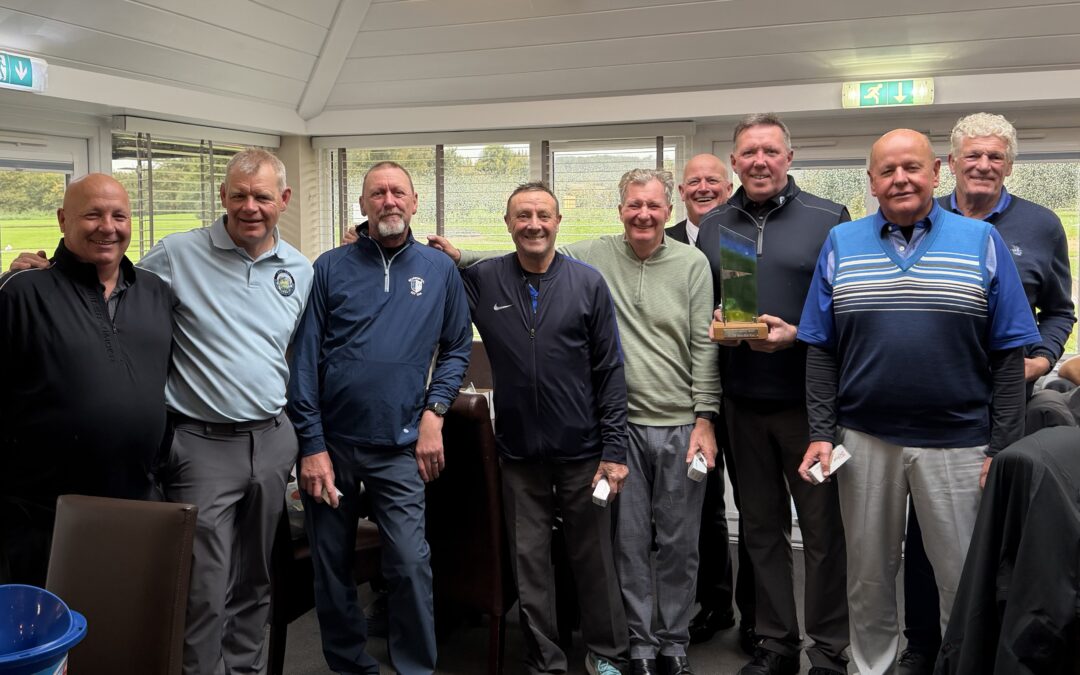
October saw our hardy golfers from the East Kent Masonic Golf Association, brave the elements at Etchinghill Golf Club for the eagerly anticipated season finale and the annual contest for the David Graeme Trophy.
With Storm Austen making its presence well and truly felt, the competitors faced a formidable challenge as high winds and driving rain swept across the course. However, in true Masonic golfing spirit, neither the weather nor the prospect of a soaking was enough to deter those determined to bring the season to a fitting close.
The David Graeme Trophy is traditionally contested between the “Light Blues”, brethren who have yet to achieve Provincial rank, and the “Dark Blues”, those who have attained that distinction. As always, friendly rivalry was the order of the day, with both sides keen to claim the bragging rights for another year.
Etchinghill ‘s challenging layout provided a stern examination of golfing ability, not least because, as the players soon discovered, the first 13 holes appeared to be relentlessly uphill, with only the final five offering the welcome prospect of a downhill journey! Add Storm Austen’s blustery winds and persistent rain into the equation, and it was clear that this would be a day when simply keeping the ball on the fairway was an achievement.
Unsurprisingly, the weather played havoc with the scoring, but it also produced one of the closest team ever contests of this prestigious trophy.
The Dark Blues, fielding nine players, amassed a total of 202 Stableford points, giving them an average of 22.4 points per player. The Light Blues, with seven players, accumulated 153 points, averaging 21.9 points per player.
With just half a point separating the team averages, the Dark Blues emerged victorious by the narrowest of margins, proving that experience — or perhaps simply a greater familiarity with golfing in adverse conditions — can sometimes make all the difference!
Individual Honours
Despite the challenging conditions, there were some commendable individual performances.
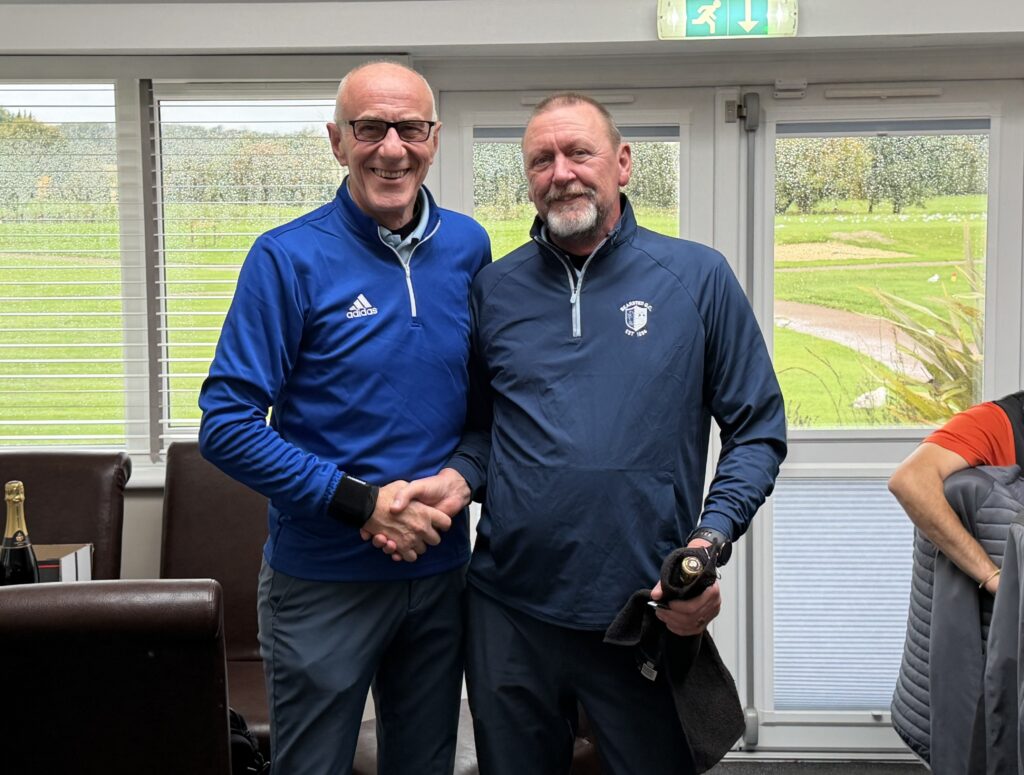
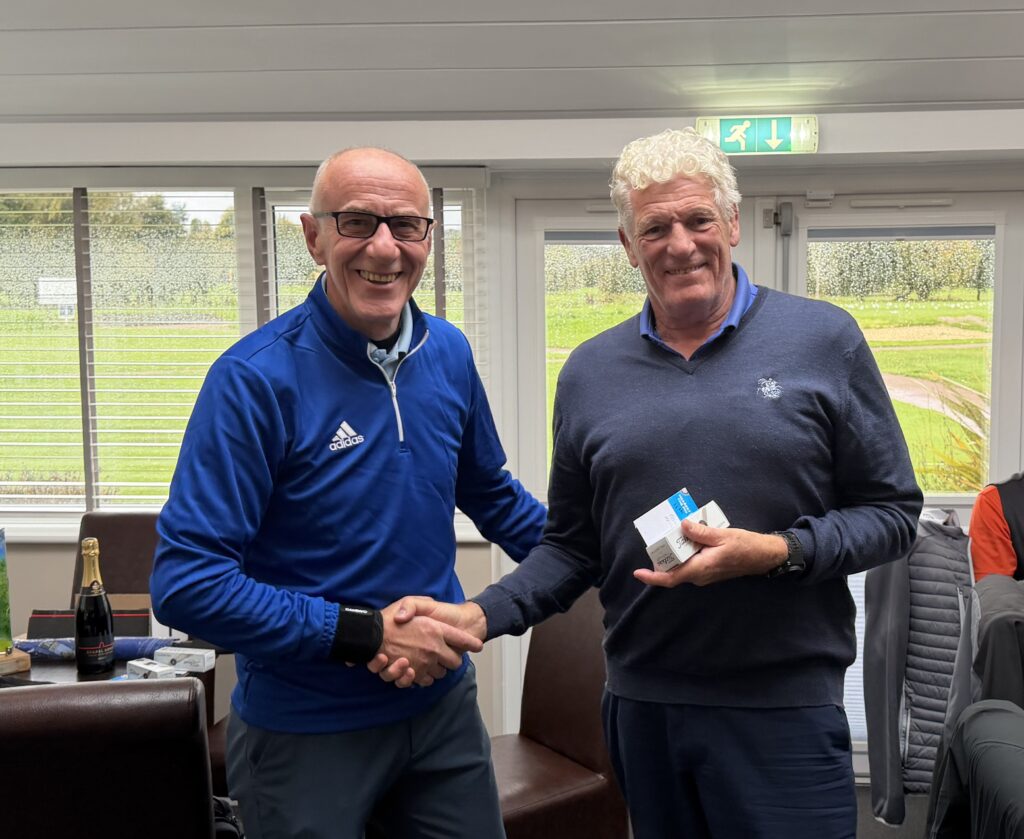
The day’s overall winner was Julian Friel of Douglas Lodge, who produced an excellent round of 31 points, a particularly impressive achievement given the weather.
Hot on his heels was Derek Reed of The Spirit of Rugby Lodge, who also returned 31 points but was narrowly pipped to the top spot on countback. Congratulations to both players for demonstrating that good golf is still possible, even when the weather has other ideas!
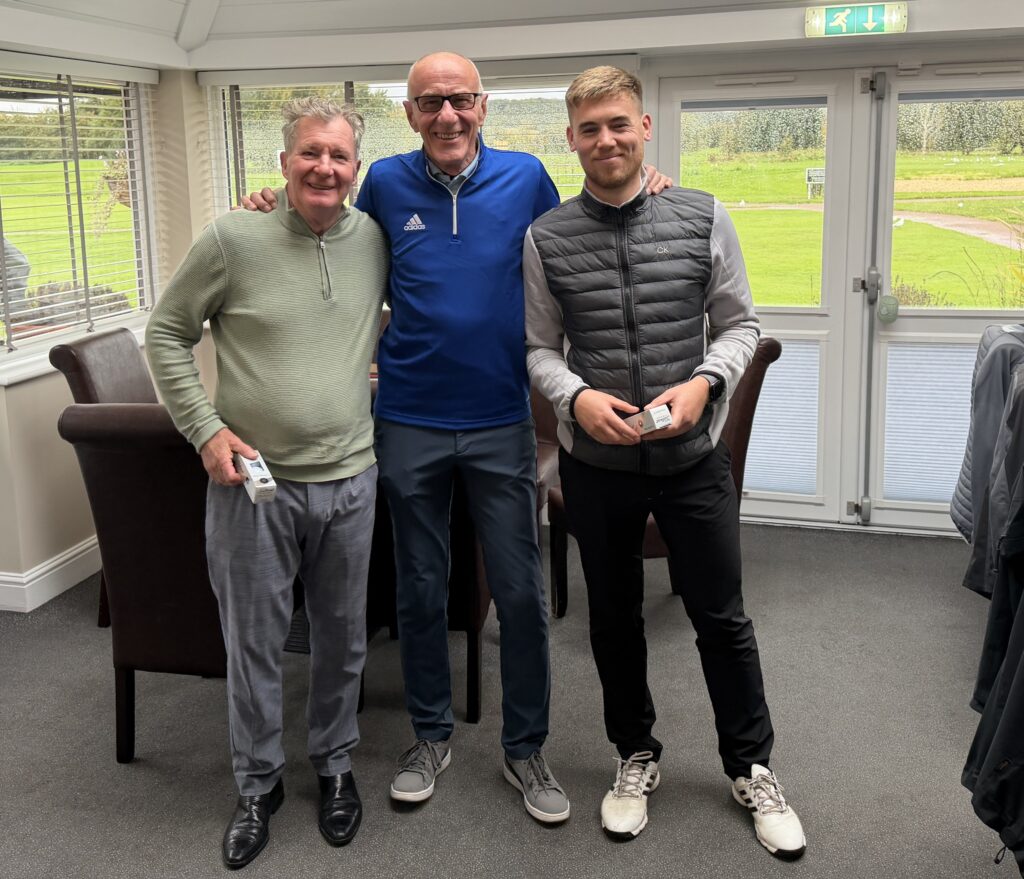
At the other end of the scoring spectrum, the much coveted “Most Golf Played” award was shared jointly by Roy Butler and Tom McGuirk. Both gentlemen clearly believed in getting maximum value from their green fees, ensuring they enjoyed considerably more strokes than some of their fellow competitors!
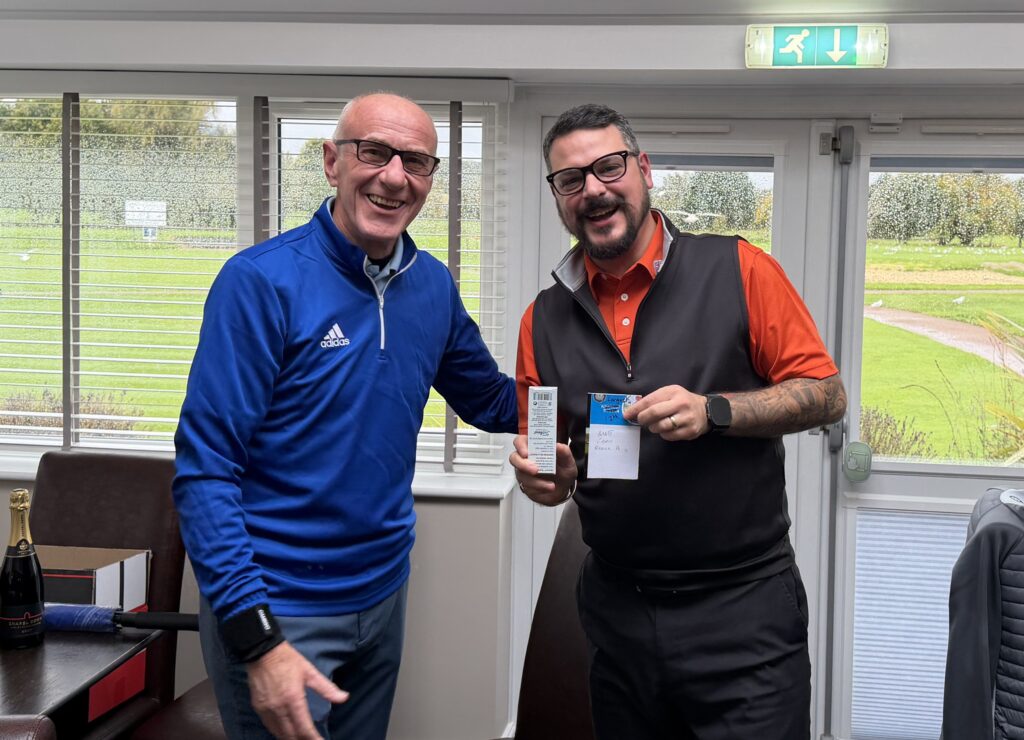
The nearest-the-pin competitions also provided moments of success amid the storm, with honours going to Keith Bennet, Tom McGuirk, Nigel Mann and Daren Horne.
Meanwhile, Reece Barber claimed the Longest Drive prize, no mean feat when judging the wind was every bit as important as striking the ball!
The day’s successes were not confined to the golf course. 2026 Captain Paul Ames organised a raffle which raised £150 for his chosen charities.
This latest contribution brings the total raised for the Captain’s charities to over £1,500, a tremendous achievement and a wonderful reflection of the generosity and charitable spirit of the Association’s members and supporters.
A Fitting End to the Season
Although the weather may have been less than kind, the camaraderie, good humour and friendly competition that characterise the East Kent Masonic Golf Association were very much in evidence throughout the day.
The David Graeme Trophy once again demonstrated that Masonic golf is about far more than just the scores on the card. It is about friendship, fellowship, shared experiences and, occasionally, the ability to laugh in the face of truly dreadful golfing weather.
Congratulations to the victorious Dark Blues, to Julian Friel on his individual success, and to all those who braved Storm Austen to make the event such a memorable occasion.
Special congratulations must also go to Captain Paul Ames for his continued fundraising efforts, ensuring that the Association’s activities make a positive difference well beyond the fairways.
As the curtain falls on another season of East Kent Masonic golf, one thing is certain: the weather may have won a few battles, but the spirit of Masonic golfing fellowship and charitable giving won the day!
Here’s to fairways, friendship, fundraising and, hopefully, a little more sunshine next season!
2027 Season Fixtures
Friday 9th April 2027 Redlibbets Golf Club East Kent V West Kent Plus Social StablefordThursday 27th May 2027 Park Wood Golf Club East Kent V Met GL for the Russell Race TrophyFriday 25th June 2027 Canterbury Golf ClubFriday 30th July 2027 Tenterden Golf ClubFriday 20th August 2027 Sittingbourne & Milton Regis Golf ClubFriday 24th September 2027 Faversham Golf ClubFriday 15th October 2027 Weald of Kent Golf Club David Graeme Trophy Dark Blues V Light Blues
Report: Derek Lindars Photos: Mark Howells and Phil Nacci.
One Province. One Journey. One Great Future.
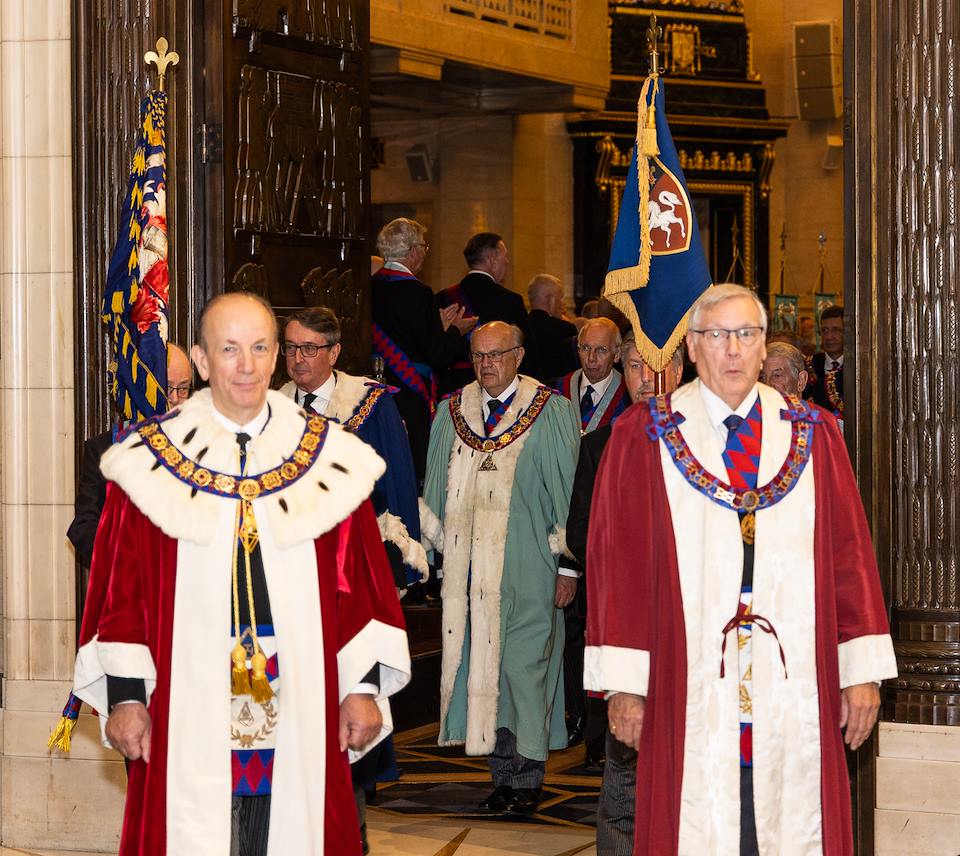
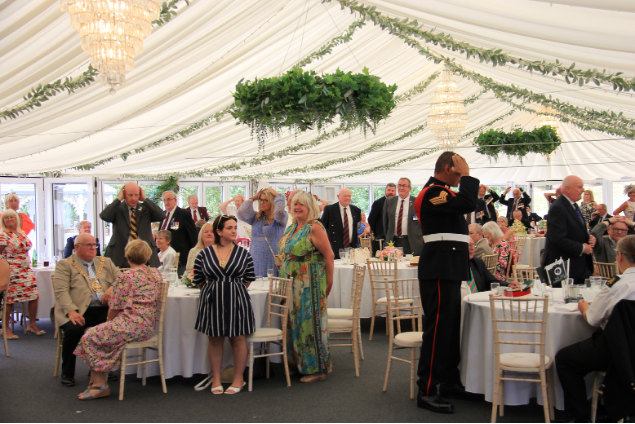
An early start and persistent rain could not dampen the spirits of more than 500 Freemasons travelling to Freemasons Hall in Great Queen Street for what would be a memorable day. Despite challenging traffic, companions and brethren arrived in good humour, enjoying coffee, friendly greetings and lively conversation before taking their seats in the magnificent Grand Temple.
A sense of pride filled the Temple as the Provincial Grand Chapter was opened with due solemnity by the Pro Grand First Principal, Jonathan Spence DL. He spoke warmly of his connections with the Province of East Kent and explained why Excellent Companion Trevor Carter is the right leader to take the Province of East Kent forward. A brief delay occurred when the Patent could not immediately be found, but this was handled adeptly and with humour by the Pro Grand First Principal before the document was presented, examined and confirmed.
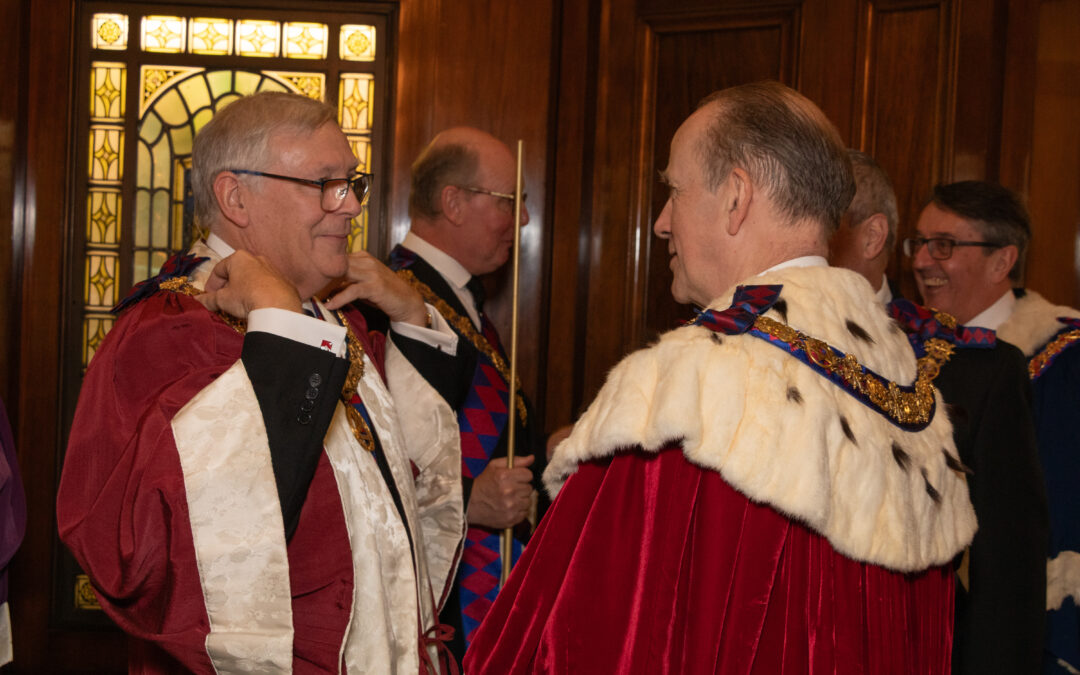
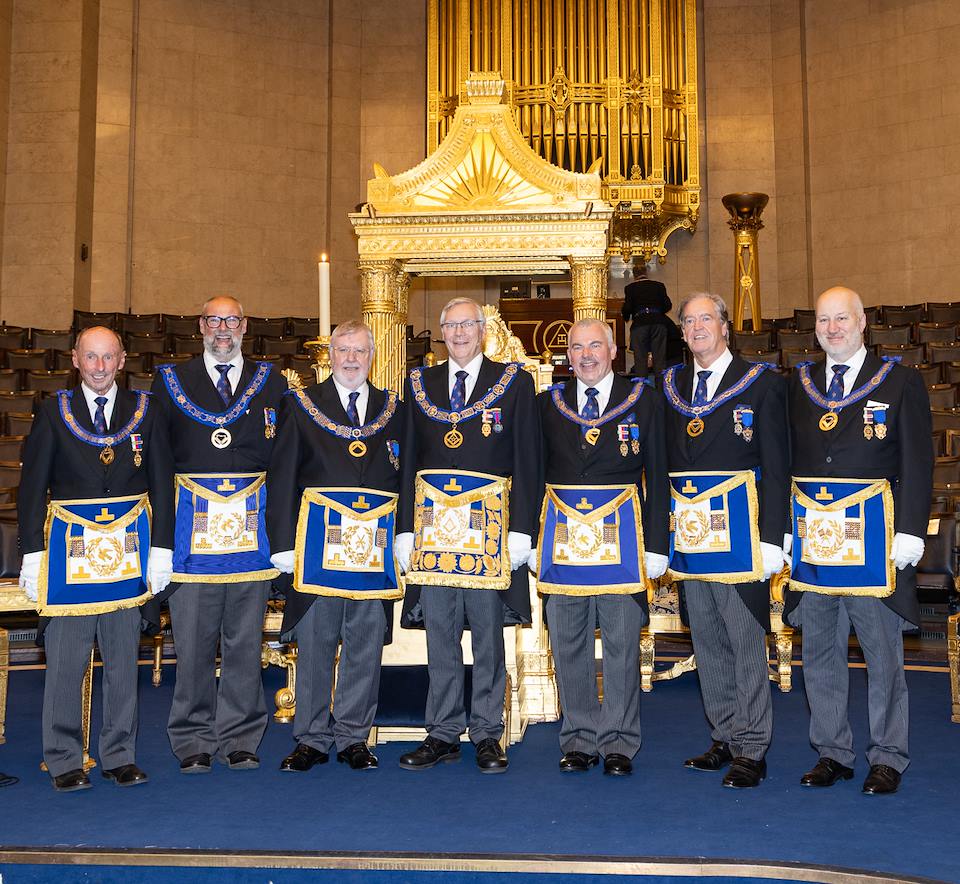
Excellent Companion Trevor Carter then entered in procession, accompanied by senior officers and the First Principals of eight East Kent Chapters. Following the reading of the Patent, the solemn prayer and Obligation, he was invested as Provincial Grand Superintendent, after which he appointed his Officers. In a moving address, our Provincial Grand Superintendent spoke of his pride, humility and deep sense of responsibility.
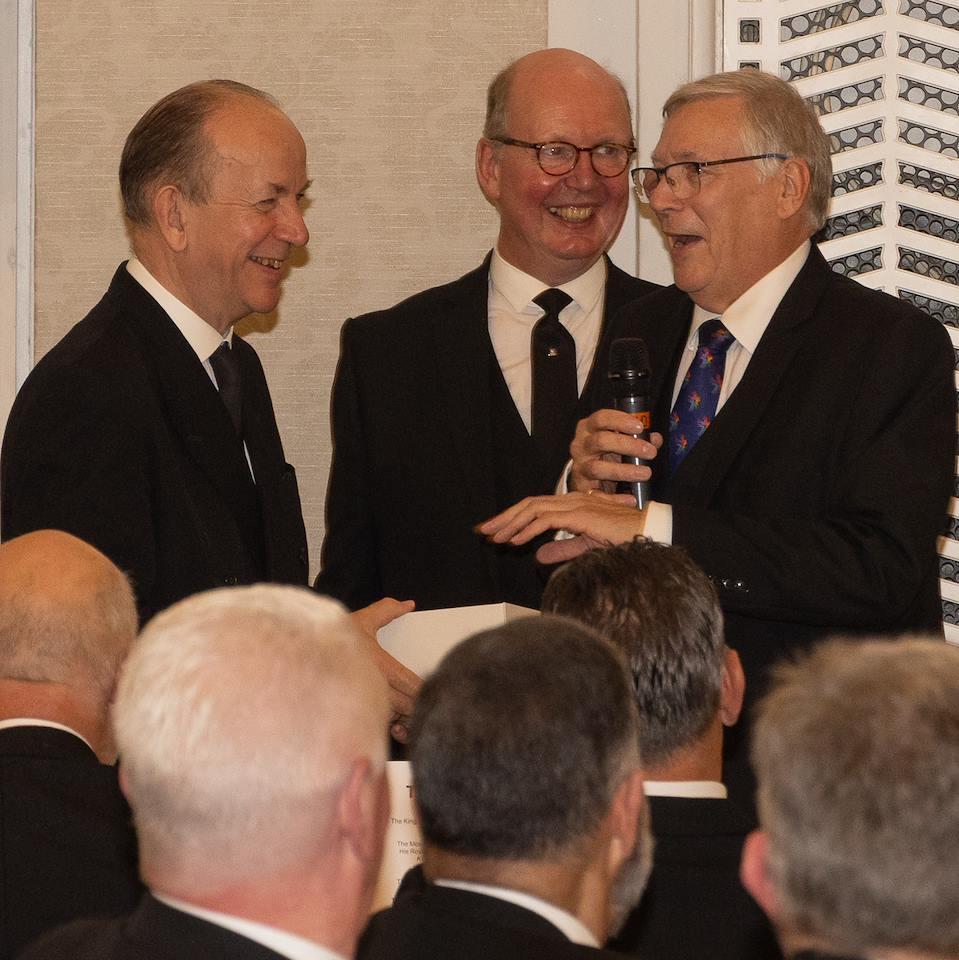
Afterwards, the companions and brethren gathered for a delicious lunch and sincere toasts prior to the exchange of gifts between our Provincial Grand Superintendent and Pro Grand First Principal.
The afternoon continued with a further impressive ceremony in Grand Lodge, where Worshipful Brother Trevor Carter was appointed, obligated and installed as Provincial Grand Master of East Kent, following which he installed and confirmed his Officers. It was a day of grandeur, friendship and shared optimism, marking the beginning of an exciting new chapter for the Province of East Kent.
Following his installation and confirmation, Right Worshipful Brother Trevor Carter thanked the Pro Grand Master, the United Grand Lodge of England’s investing team, the Provincial Officers, and all brethren and companions for their professionalism, attendance, participation and continued commitment. He gave particular recognition to Worshipful Brother Andrew Berry for his role in the organisation of this magnificent Investiture.
Right Worshipful Brother Trevor also paid tribute to his predecessor, Right Worshipful Brother Neil Hamilton Johnstone. He acknowledged that through his leadership, dedication and hard work the Province had been left in a strong position, with firm foundations for future development.
Describing his vision as the beginning of a new chapter and a shared journey, he introduced the guiding ambition: One Province. One Journey. One Great Future. He emphasised that achieving this would require the contribution of every member, building on East Kent’s proud traditions while embracing new opportunities.
His ambitious objective is to double the Province’s membership over the next eight years through three key initiatives.
Reducing the group structure from eight groups to four, to improve support, communication and collaboration while addressing local membership challenges.
On 1st January 2027, to launch the East Kent Membership Festival to encourage every Lodge and Chapter to take responsibility for membership growth.
Opening the East Kent Light Blues Club, automatically and free of charge, to all members who are not Provincial or Grand Officers, including Companions, and introducing a ‘harmonised’ badge representing unity.
Right Worshipful Brother Trevor concluded with four guiding principles: Fun, High Standards, Stability and Longevity. Without doubt, his address presented a hopeful call to unity and action, as our East Kent Province begins its shared journey towards a stronger future for the generations of brethren and companions to come.
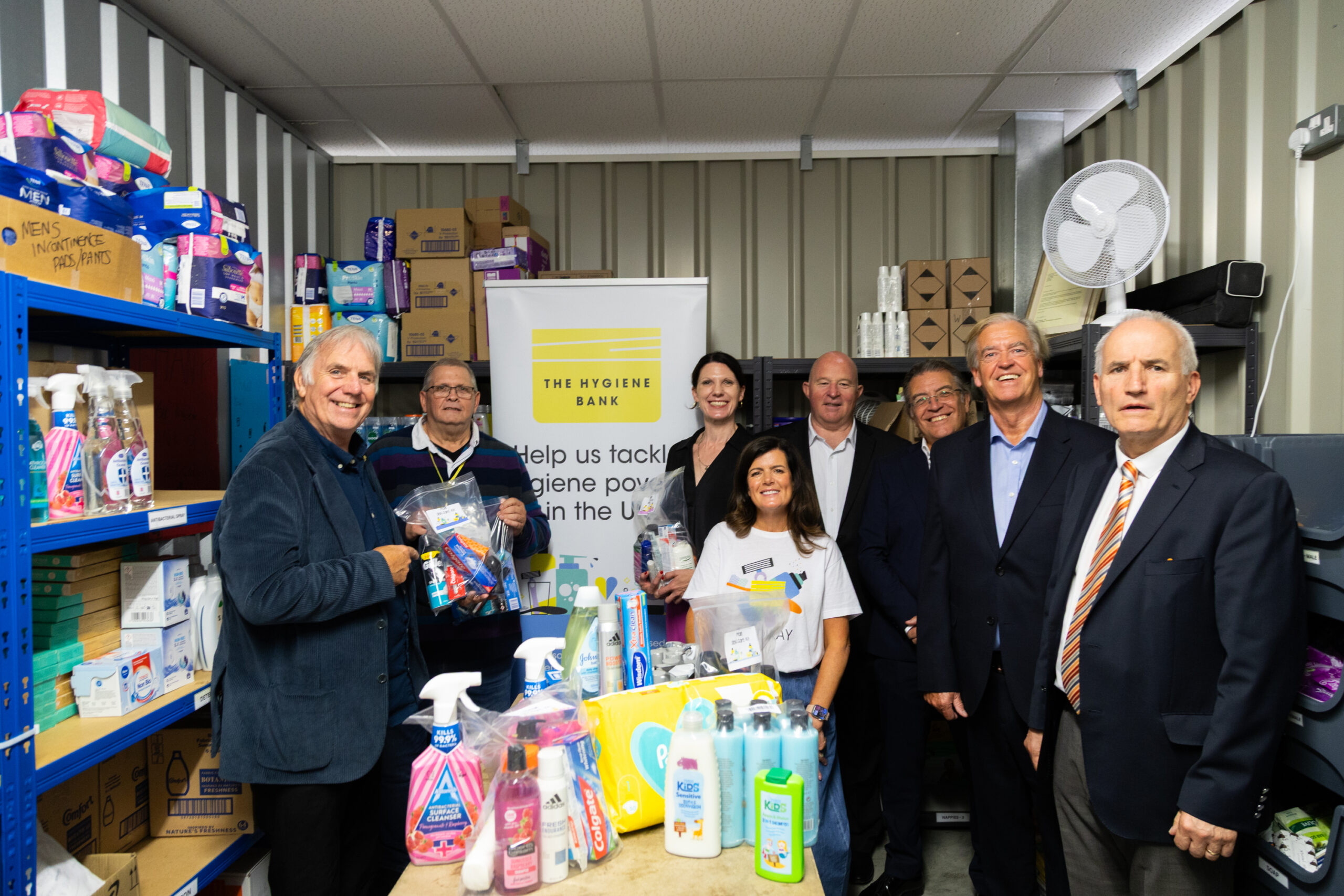
East Kent Freemasons are celebrating the award of £22,000 from the Freemasons’ Charity, to support five Hygiene Bank initiatives serving communities across the county.
The funding will directly benefit projects in:
Medway
Thanet
Ashford
Canterbury, Whitstable & Herne Bay
Cranbrook & Tenterden
The grant will help The Hygiene Bank purchase essential hygiene products, strengthen local operations, support storage and distribution, and ensure that thousands of vulnerable people continue to receive items many of us take for granted, including toothpaste, shampoo, deodorant, sanitary products, nappies and cleaning supplies.
However, this initiative represents far more than a financial contribution.
It presents a unique opportunity for East Kent Freemasons and their families to support a worthy cause not only through charitable giving, but through hands-on Service within their local communities.
Tackling a Hidden Form of Poverty
While food poverty is widely recognised, hygiene poverty often remains hidden from public view.
Across the UK, millions of people are forced to choose between paying household bills, putting food on the table, or purchasing essential hygiene products.
The consequences can be devastating. Children may miss school through embarrassment, adults can lose confidence when attending interviews or work, and families can face difficult choices that most of us never have to contemplate.
The Hygiene Bank exists to ensure that no one is denied dignity because they cannot afford basic hygiene essentials.
Working through a network of community partners including schools, foodbanks, family support services, community centres and refuges, the charity provides practical support to people at their point of need.
Across the United Kingdom, The Hygiene Bank supports approximately 60,000 people every week.
A Life Changed Through Support
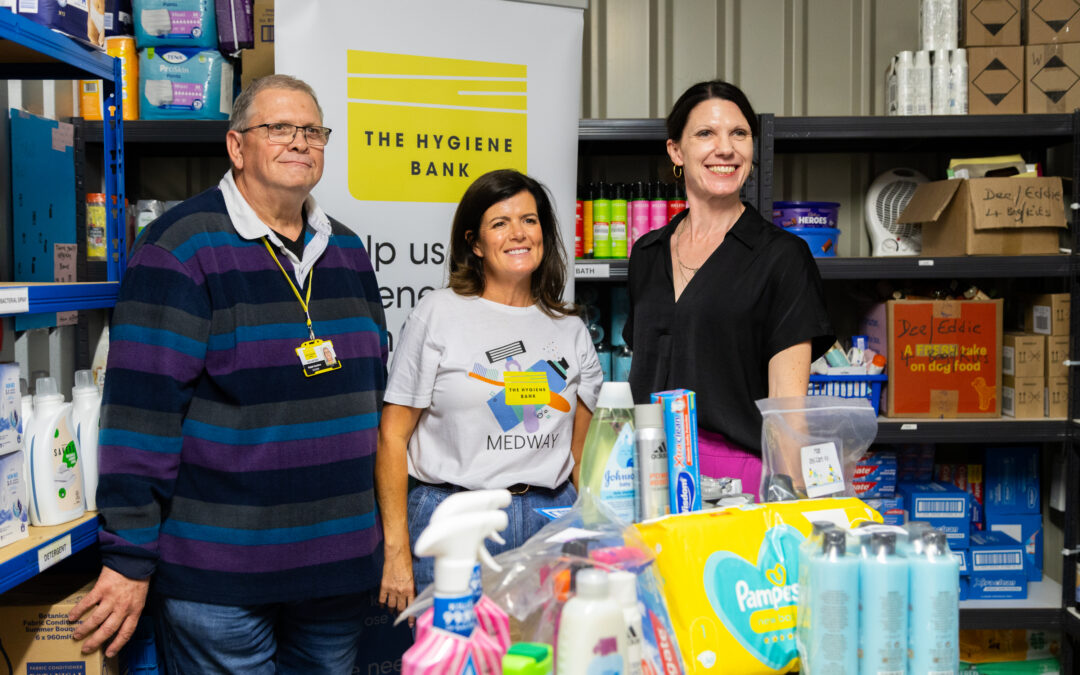
During a recent visit to the Medway Hygiene Bank initiative, volunteers shared examples of the real and lasting impact the charity has within local communities.
One service user, Sam, explained how support from the Magpie Community Centre and The Hygiene Bank had transformed her life.
After receiving practical support during a difficult period, she has rebuilt her confidence, turned her life around, and recently signed up as a volunteer herself so she can help others facing similar challenges.
It is a reminder that sometimes something as simple as access to a toothbrush, shampoo or deodorant can be the first step towards rebuilding confidence, dignity and independence.
Turning Funding into Action
The £22,000 grant awarded by the Freemasons’ Charity will provide immediate benefits across all five East Kent initiatives, allowing local projects to respond more effectively to growing demand and ensure essential products remain available when they are needed most.
The project has already begun creating opportunities for East Kent Freemasons to become actively involved.
To support the initiative, the Province has funded the purchase of 30 Hygiene Bank-branded donation bins, which will be installed throughout Masonic centres across East Kent. These collection points will help create a sustainable flow of donations and strengthen connections between Masonic centres and the communities they serve.
“Most of us never have to think twice about buying toothpaste, shampoo or deodorant. For thousands of people across Kent that is not the reality.
Through this partnership with The Hygiene Bank we have an opportunity not only to fund an excellent charity through the £22,000 grant from the Freemasons’ Charity, but also to play an active role in supporting some of the most vulnerable members of our communities.
I hope every Lodge and every Brother will consider how they can become involved.”
Wayne Smith, Assistant Provincial Grand Master
How Brethren Can Support the Initiative
This project offers meaningful opportunities for members, families and Lodges to contribute through Service.
Support is needed in a variety of ways, including:
Acting as collection points through Masonic centres.
Collecting and transporting donated products.
Sorting and preparing donations for distribution.
Assisting with local fundraising and awareness events.
Supporting social media, communications and marketing activities.
Introducing local businesses that may wish to sponsor the initiative.
Identifying storage facilities or premises that could support future expansion.
The Hygiene Bank is also actively seeking volunteers who may wish to establish entirely new projects in areas where support is needed. Full training and ongoing guidance are provided by the national charity.
Freemasonry in Action
The partnership between East Kent Freemasons and The Hygiene Bank perfectly demonstrates how charitable giving and Service can work hand in hand to create lasting community impact.
The £22,000 grant is already helping to tackle hygiene poverty across East Kent, but the long-term success of the initiative will be measured not only by financial support, but by the willingness of Brethren and their families to engage, volunteer and make a difference.
This is a genuine opportunity for East Kent Freemasons to demonstrate Freemasonry in action, supporting one of the most practical and impactful community charities operating in our Province today.
Find Out More
Brethren interested in supporting the initiative are encouraged to contact:
Ray Hazelton East Kent Freemasons Hygiene Bank Coordination Lead ray@hazelelectrics.co.uk 07788 447282
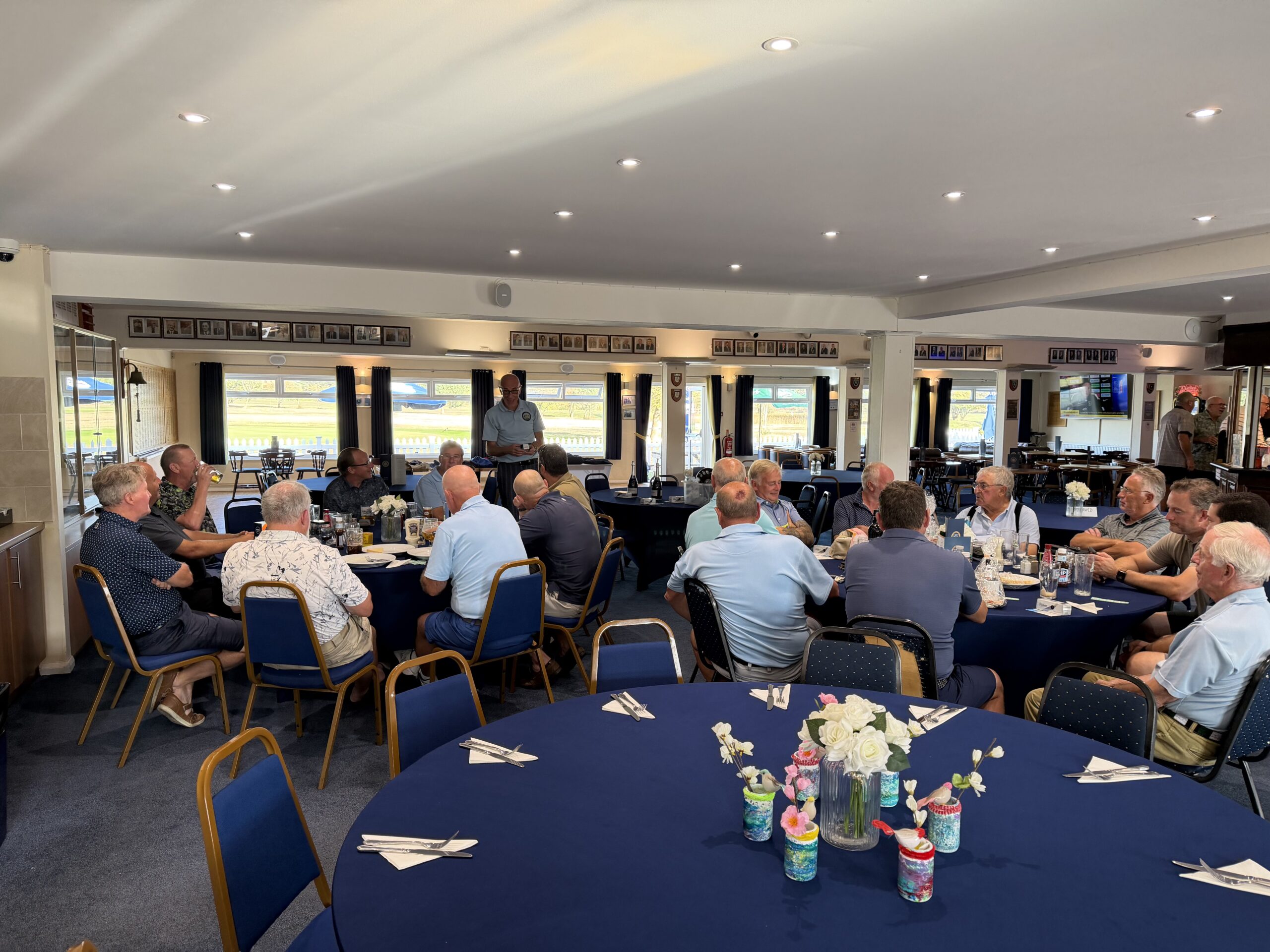
The East Kent Masonic Golf Association enjoyed a memorable Captain’s Day at Sheerness Golf Club, where Captain Paul Ames welcomed 21 players for a day of friendly competition. With conditions more reminiscent of an Indian summer, the players made the most of the warm weather.
The course played well throughout, while still providing a stern test with several tricky and demanding holes.
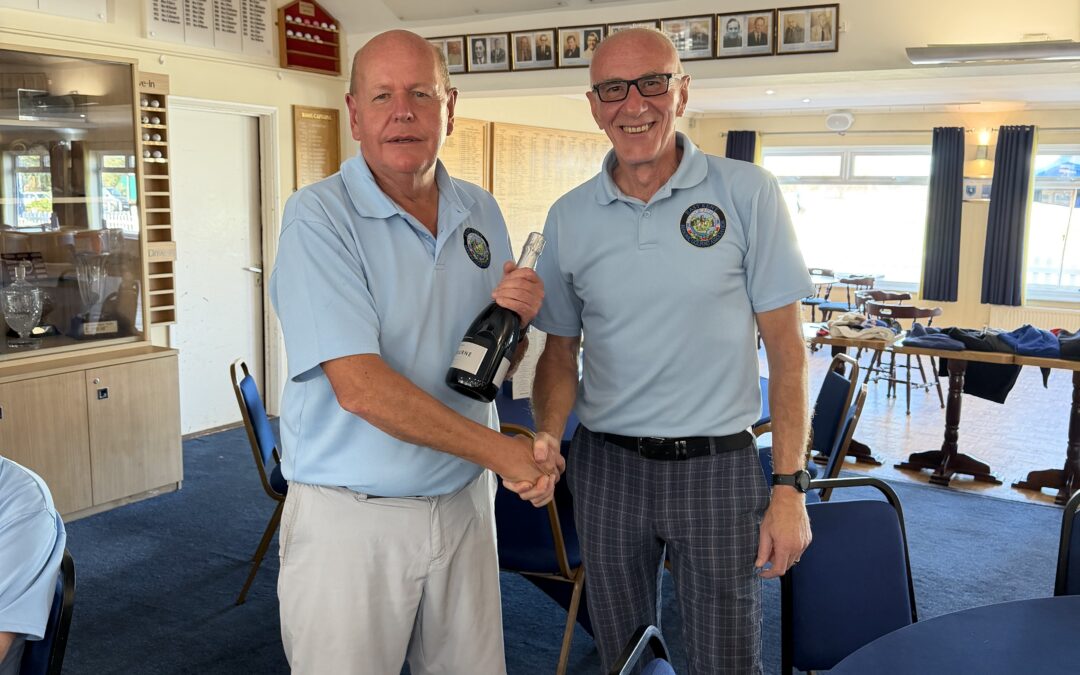
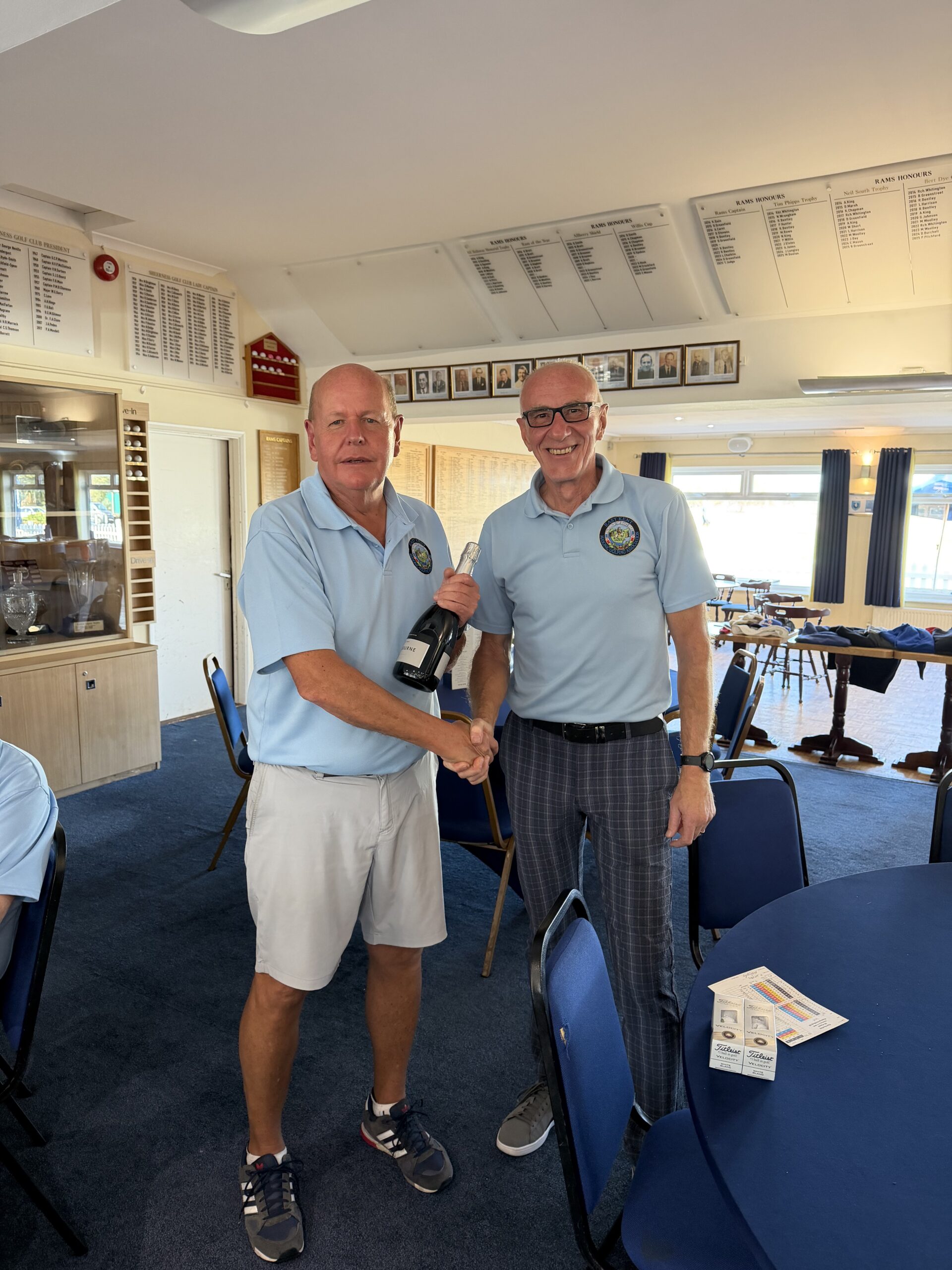
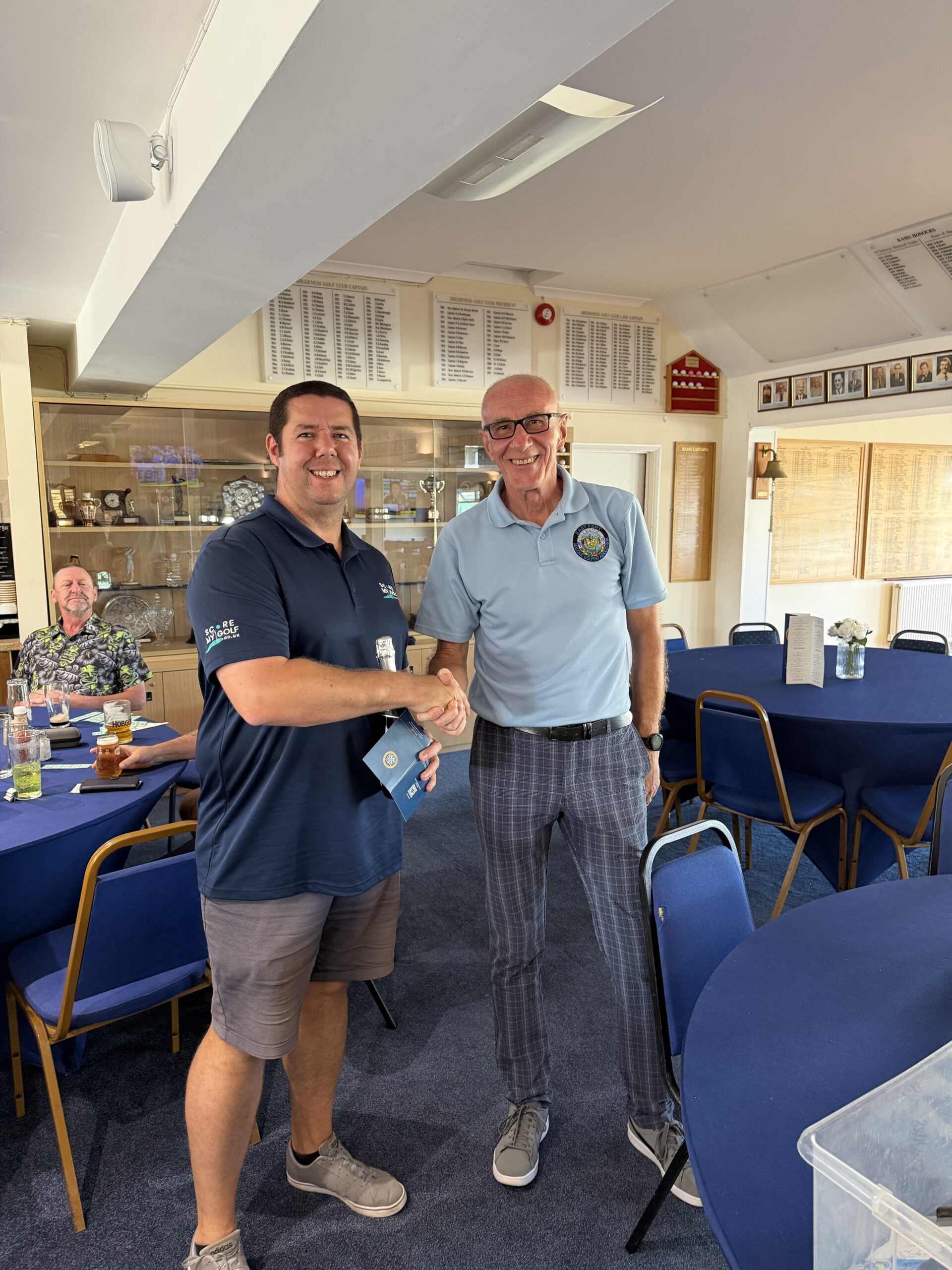
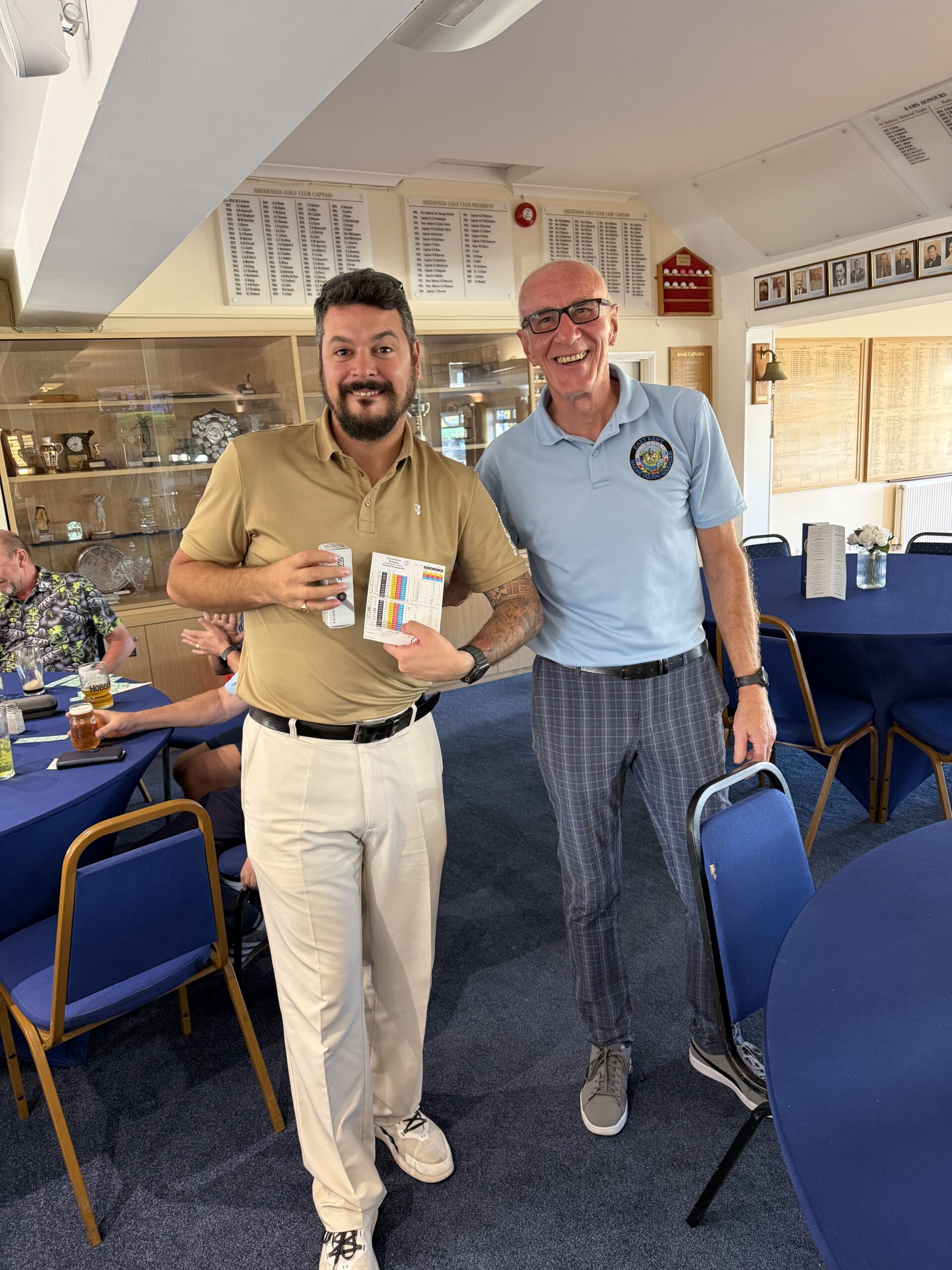
Paul Routley of Maeides Stana Lodge produced the day’s outstanding performance, scoring a magnificent 42 points to take first place. Chris Beck of Douglas Lodge finished runner-up with 38 points, while his fellow Douglas Lodge member Matt Cuoghi secured third place on countback. The nearest-the-pin prizes went to Peter Marno on the 3rd hole, Roy Butler on the 9th, Darren Leach on the 11th and Daren Horne on the 16th. Nigel Mann claimed the longest-drive prize on the 16th.
A light-hearted prize for the “longest walk” — or perhaps the most golf played — went to Reece Barber of Per Mar per Terram Lodge, who finished with 17 points.
Our Captain Paul Ames ran an additional Raffle raising £165 for his chose charities for the year
The good weather, challenging course and excellent company combined to make Captain’s Day a great success and another thoroughly enjoyable occasion for the Association.